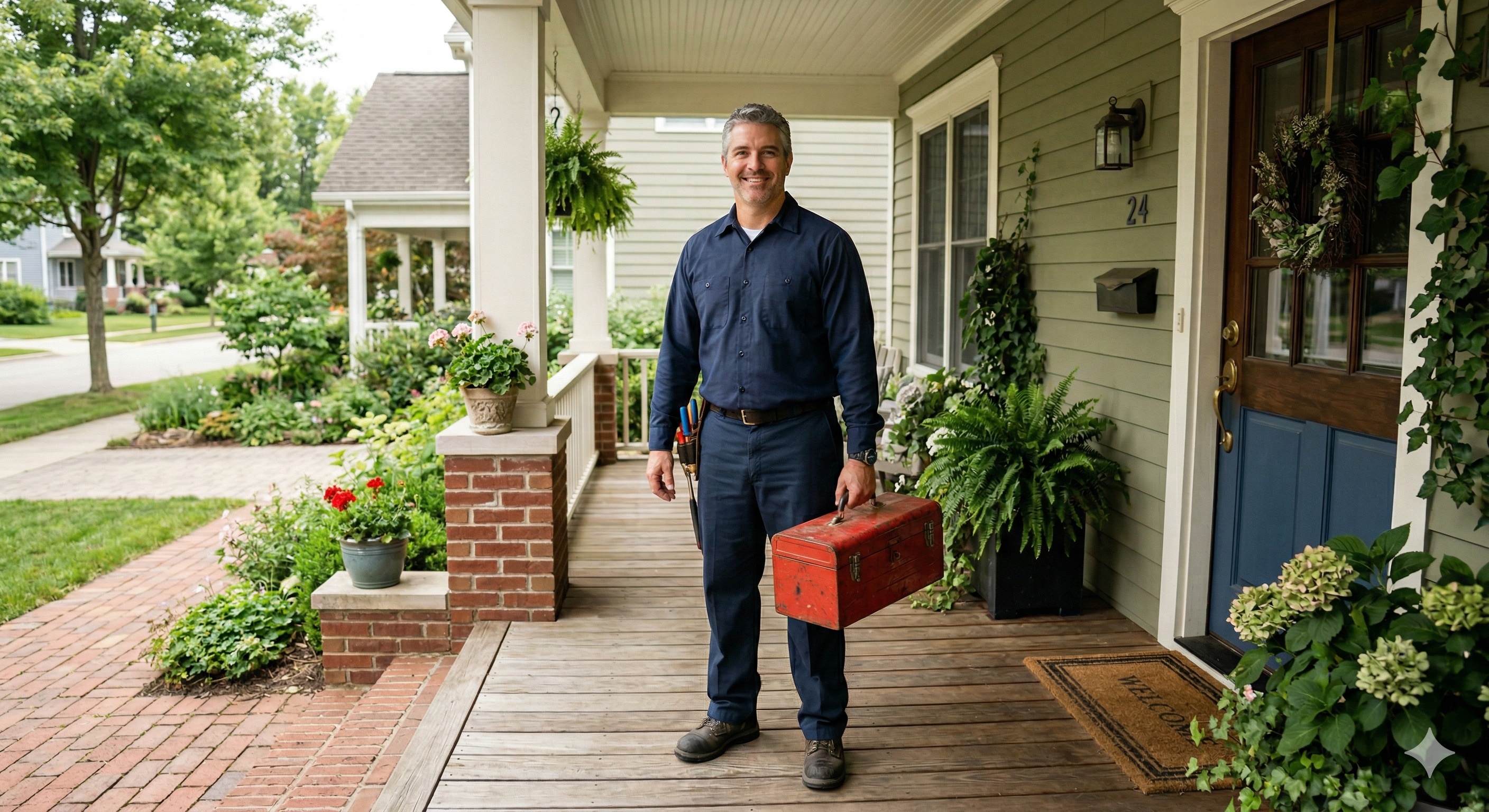
Earthquake Gas Line Safety for Federal Way Residents
Living in Federal Way means enjoying the beauty of the Pacific Northwest while staying prepared for natural hazards that come with our region. As residents of an area with significant seismic activity, understanding earthquake gas line safety isn’t just smart—it’s essential for protecting your family and property.
Federal Way’s housing stock, built primarily between the 1960s and 1990s during the suburban boom, presents unique challenges when it comes to earthquake preparedness. Many homes feature older gas line installations that may not meet today’s seismic safety standards. Combined with our area’s freeze-thaw cycles and foundation settling from heavy winter rains, gas line integrity becomes a critical safety concern that every homeowner should understand.
Understanding Gas Line Vulnerability During Earthquakes
When the ground shakes, rigid gas lines are among the most vulnerable components of your home’s infrastructure. Federal Way sits in an active seismic zone, where even moderate earthquakes can cause significant damage to unprepared gas systems.
Older homes in our area often have galvanized steel or copper gas lines that were installed before modern earthquake safety codes. These rigid materials can crack, separate, or rupture when subjected to ground movement, potentially creating dangerous gas leaks. The risk increases in homes with basement or crawl space installations, which are common throughout Federal Way’s residential neighborhoods.
The consequences of damaged gas lines extend far beyond simple utility outages. Gas leaks can lead to explosions, fires, and carbon monoxide poisoning—making earthquake gas line safety a life-or-death issue for families in our community.
Pre-Earthquake Preparation Steps
Taking proactive steps before an earthquake strikes can significantly reduce your risk of gas line damage and related hazards.
Know your gas system’s layout by locating your main gas shutoff valve, typically found near your gas meter outside your home. Most Federal Way homes have the meter positioned along the front or side of the property near the street.
Install flexible gas connectors on major appliances like water heaters, furnaces, and gas ranges. These earthquake-safe connectors can flex and bend during ground movement without breaking.
Secure gas appliances properly by anchoring water heaters to wall studs with metal strapping and ensuring other gas appliances are properly braced according to manufacturer specifications.
Keep necessary tools accessible by storing a gas shutoff wrench in an easily accessible location. Many hardware stores in Federal Way carry these specialized wrenches designed to fit standard gas meter shutoff valves.
Schedule professional inspections annually to identify potential vulnerabilities in your gas system, especially if your home was built during Federal Way’s rapid development period of the 1960s through 1980s.
Recognizing Gas Leaks After an Earthquake
After any significant earthquake, knowing how to identify gas leaks quickly can prevent catastrophic damage to your Federal Way home.
Listen for hissing sounds near gas appliances, meters, or along gas line routes through your basement or crawl space.
Smell for gas odors throughout your home and property. Natural gas has a distinctive “rotten egg” smell added specifically for leak detection.
Look for visible damage including bent or broken gas lines, displaced appliances, or damaged connections at gas meters and appliances.
Watch for dead vegetation in your yard along gas line routes, which can indicate underground leaks.
Check for blowing dirt or dust near gas lines outside your home, as escaping gas can create small dust clouds or disturb soil.
If you detect any signs of gas leaks, immediately evacuate your home, avoid using electrical switches or creating sparks, and call your gas utility company and emergency services from a safe location away from your property.
DIY Safety Measures vs. Professional Requirements
While homeowners can take several important safety steps independently, understanding the boundaries between DIY measures and professional requirements is crucial for Federal Way residents.
Safe DIY Actions
Learn to shut off your main gas valve by practicing with your gas shutoff wrench during non-emergency times. Turn the valve one-quarter turn so it’s perpendicular to the gas line.
Install earthquake straps on your water heater using approved seismic strapping kits available at local hardware stores. This relatively straightforward project can prevent your water heater from tipping and breaking gas connections.
Check and tighten visible gas connections periodically, but only hand-tighten and avoid over-tightening, which can damage threads and create leaks.
When to Call a Professional
Gas line installation or major repairs always require a licensed plumber in Federal Way who understands local codes and earthquake safety requirements.
Suspected gas leaks should never be investigated or repaired by homeowners. Professional plumbers have specialized equipment to safely locate and repair leaks.
Earthquake valve installation requires professional expertise to ensure proper function and code compliance.
Post-earthquake gas system inspection should be performed by qualified professionals who can assess damage that may not be visible to homeowners.
Post-Earthquake Recovery and Inspection
After experiencing an earthquake in Federal Way, systematic gas line inspection becomes a top priority for safe re-occupation of your home.
Wait for professional clearance before turning gas service back on if you’ve shut it off during the earthquake. Gas utility companies typically provide free post-earthquake inspections.
Document any damage with photographs for insurance purposes, but avoid entering areas where you smell gas or suspect leaks.
Prioritize professional inspection of your entire gas system, particularly if your home experienced significant shaking or if you notice any signs of structural damage.
Consider seismic upgrades during repair and recovery, especially if your Federal Way home has older gas line installations that predate modern earthquake safety codes.
Update your emergency preparedness plan based on lessons learned during the earthquake experience, including any weaknesses discovered in your gas safety preparations.
Remember that Federal Way’s older housing stock may require additional safety upgrades to meet current earthquake resistance standards, making professional assessment particularly valuable for homes built during the area’s rapid development decades.
Protecting Your Federal Way Home
Earthquake gas line safety requires ongoing attention and professional expertise. While homeowners can take important preparatory steps, the complex nature of gas systems and the serious safety implications of gas leaks make professional involvement essential for comprehensive protection.
Federal Way’s unique combination of seismic risk, varied housing ages, and Pacific Northwest weather conditions creates specific challenges that local plumbing professionals understand best. Don’t wait for the next earthquake to address gas line safety concerns in your home.
Need professional help with earthquake gas line safety? Call The Federal Way Plumber at (253) 600-3685 for expert assessment and earthquake-resistant installations.
Need Professional Help?
If you're experiencing plumbing issues in Federal Way, our licensed plumbers are ready to help.
Call Now: (253) 600-368524/7 Emergency Service Available