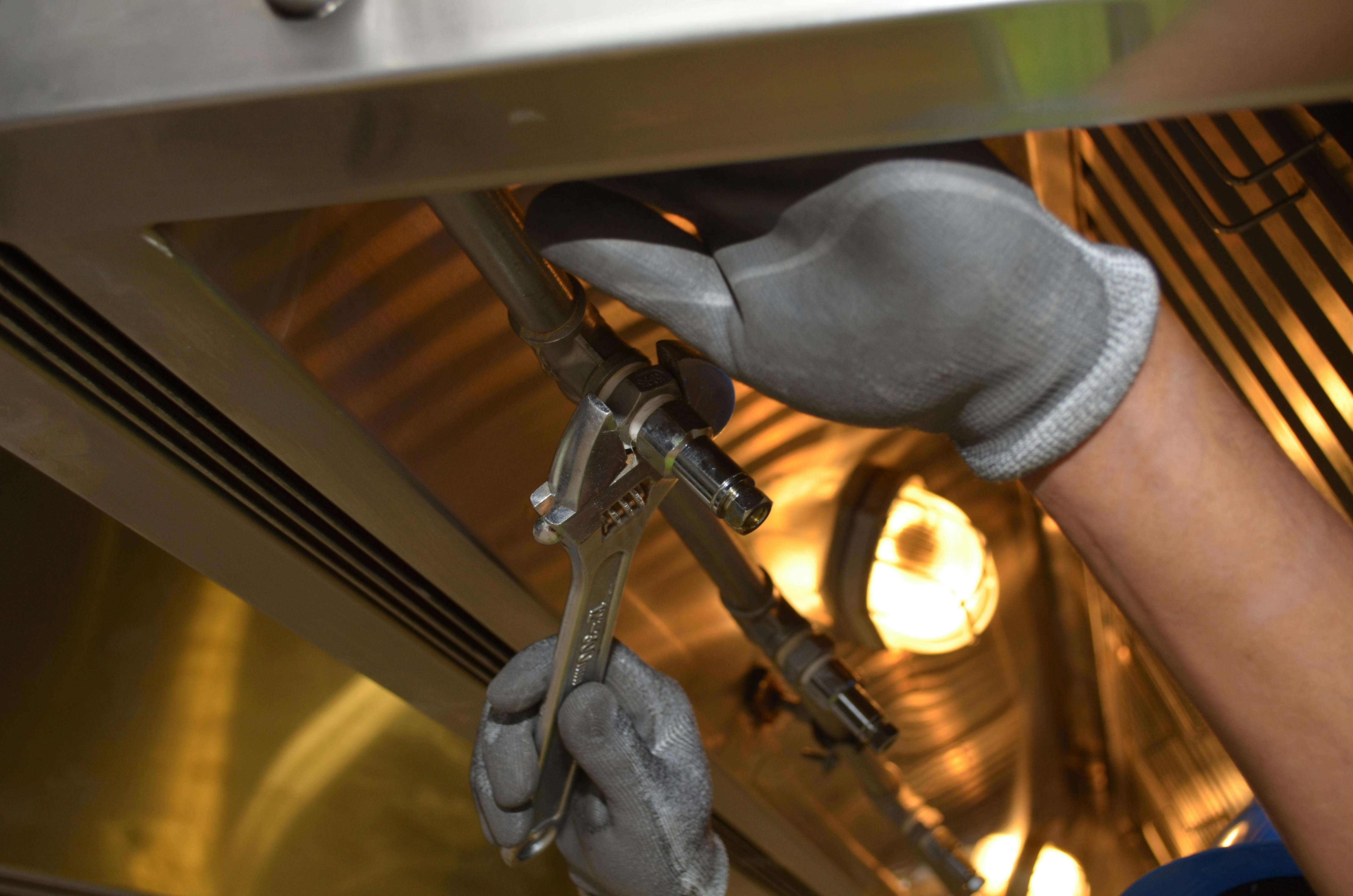
Federal Way Water Heater Winter Preparation Guide
When winter arrives in Federal Way, homeowners know to prepare for months of heavy rainfall and occasional freezing temperatures. While our Pacific Northwest climate is generally mild, those freeze-thaw cycles can wreak havoc on plumbing systems—especially water heaters that work overtime during the colder months. Whether your home was built during Federal Way’s rapid development boom in the 1980s or you’re living in one of the newer constructions, proper water heater preparation is essential for avoiding costly repairs and cold showers.
The combination of aging infrastructure, crawl space installations, and our region’s unique weather patterns creates specific challenges for Federal Way homeowners. Understanding how to winterize your water heater properly can save you from emergency plumber calls and ensure your family stays comfortable throughout the rainy season.
Understanding Federal Way’s Impact on Water Heaters
Federal Way’s wet winters put extra strain on water heater systems in several ways. The frequent rainfall from October through March increases humidity levels in basements and crawl spaces where most water heaters are located. This moisture can accelerate corrosion and affect electrical components, particularly in homes built during the 1960s-80s construction boom when moisture barriers weren’t always standard.
The freeze-thaw cycles, while not as severe as other regions, still cause pipe expansion and contraction around your water heater connections. Many Federal Way homes have a mix of copper, galvanized steel, and newer PEX plumbing systems, and these different materials expand at different rates, potentially creating stress points where leaks can develop.
Additionally, our area’s earthquake risk means water heater safety goes beyond just temperature concerns—proper securing and flexible connections are crucial for preventing gas leaks or water damage during seismic activity.
Essential Pre-Winter Water Heater Inspection
Before the heavy rains begin, perform a thorough inspection of your water heater system. Start by checking the area around your unit for any signs of moisture, rust, or previous water damage. Federal Way’s housing stock often features water heaters in basements or crawl spaces where small leaks can go unnoticed until they become major problems.
Key inspection points include:
- Check temperature and pressure relief valve for any signs of dripping or corrosion around the discharge pipe
- Examine all pipe connections entering and leaving the water heater for rust, mineral deposits, or small leaks
- Look for rust spots on the tank itself, particularly around the base where condensation tends to collect
- Test the drain valve by carefully opening it slightly to ensure it’s not stuck or corroded
- Inspect the venting system (for gas units) to ensure proper clearance and no obstructions from debris
If you discover significant rust, multiple connection issues, or your water heater is over 10 years old, it’s wise to consult with a plumber in Federal Way before winter weather arrives. Replacing a failing unit proactively is far less expensive than dealing with an emergency failure during a cold snap.
Temperature and Efficiency Adjustments for Winter
Proper temperature settings become crucial during Federal Way’s winter months when your water heater works harder to maintain hot water temperatures. The combination of colder incoming water and increased usage for hot showers and baths means your system needs optimization to run efficiently.
Most water heaters should be set between 120-140°F, but winter conditions may require fine-tuning:
- Set gas water heaters to 130°F for optimal balance between comfort and energy efficiency
- Adjust electric units to 125°F on the upper element and 120°F on the lower element
- Check for heat loss by feeling pipes leading from the water heater—they should be warm but not hot
- Consider insulation blankets for units over 7 years old, especially in unheated crawl spaces
- Insulate the first 6 feet of hot and cold water pipes connected to your water heater
Be cautious with temperature adjustments if your home has older galvanized pipes common in Federal Way’s vintage housing. Higher temperatures can accelerate corrosion in aging pipe systems, so consider having a Federal Way plumber assess your entire system before making significant changes.
Protecting Against Freeze Damage
While Federal Way doesn’t experience prolonged freezing periods, our occasional cold snaps can still cause problems for water heaters located in crawl spaces or near exterior walls. The key is preparing for those few nights when temperatures drop below 32°F.
Focus your freeze protection efforts on vulnerable areas:
- Seal crawl space vents temporarily during freeze warnings, but remember to reopen them when temperatures rise
- Install heat tape on exposed pipes within 3 feet of your water heater, following manufacturer instructions carefully
- Add extra insulation around pipe connections and the base of the unit where cold air infiltration is common
- Keep cabinet doors open if your water heater is in an enclosed space during cold nights
- Allow faucets to drip slightly during freeze warnings to keep water moving through the system
Never use space heaters or open flames near your water heater, especially gas units. If you’re uncomfortable installing heat tape or making insulation improvements yourself, these modifications are perfect tasks for a professional plumber Federal Way residents can rely on for safe installation.
When to Call a Professional vs. DIY Maintenance
Understanding the difference between routine maintenance and tasks requiring professional expertise can save you money while keeping your family safe. Some winter preparation tasks are perfect for homeowners, while others require the expertise of a qualified Federal Way plumber.
Safe DIY tasks include:
- Testing temperature settings and making minor adjustments using the unit’s controls
- Visual inspections for rust, leaks, or unusual wear patterns
- Basic insulation installation on pipes and around the unit (following product instructions)
- Gentle cleaning around the unit to remove debris and ensure proper ventilation
- Checking pilot lights on gas units (but never attempting repairs if issues are found)
Professional tasks that require expertise:
- Any gas line work or adjustments to gas connections
- Electrical repairs or modifications to heating elements
- Pressure relief valve replacement or major component repairs
- Venting system modifications or repairs
- Seismic safety upgrades including proper strapping and flexible connections
- Complete system flushes to remove sediment buildup
Given Federal Way’s earthquake risk and the mix of aging plumbing systems in our area, professional assessment becomes even more important. A qualified plumber can identify potential issues specific to our region’s housing stock and ensure your water heater meets current safety codes.
Preparing for the Unexpected
Even with proper preparation, winter can bring unexpected challenges to your water heater system. Federal Way’s heavy rainfall can cause power outages that affect electric units, while debris from storms can impact venting systems for gas water heaters. Having a plan for common scenarios helps minimize disruption to your household.
Create an emergency preparedness checklist:
- Know your water shut-off valve location and how to operate it quickly
- Keep a flashlight and basic tools near your water heater for emergency inspections
- Store emergency contact information for qualified local plumbing professionals
- Understand your unit’s reset procedures for both gas pilot lights and electric heating elements
- Document your water heater’s age, model, and warranty information for quick reference
Remember that attempting repairs during an emergency often leads to more expensive problems. When in doubt, shut off the power or gas supply to your unit and contact a professional rather than risking safety or further damage.
Winter preparation for your water heater doesn’t have to be complicated, but it should be thorough. Taking time now to inspect, adjust, and protect your system will help ensure reliable hot water throughout Federal Way’s wet winter months.
Need professional help with your water heater winter preparation? Call The Federal Way Plumber at (253) 600-3685
Need Professional Help?
If you're experiencing plumbing issues in Federal Way, our licensed plumbers are ready to help.
Call Now: (253) 600-368524/7 Emergency Service Available