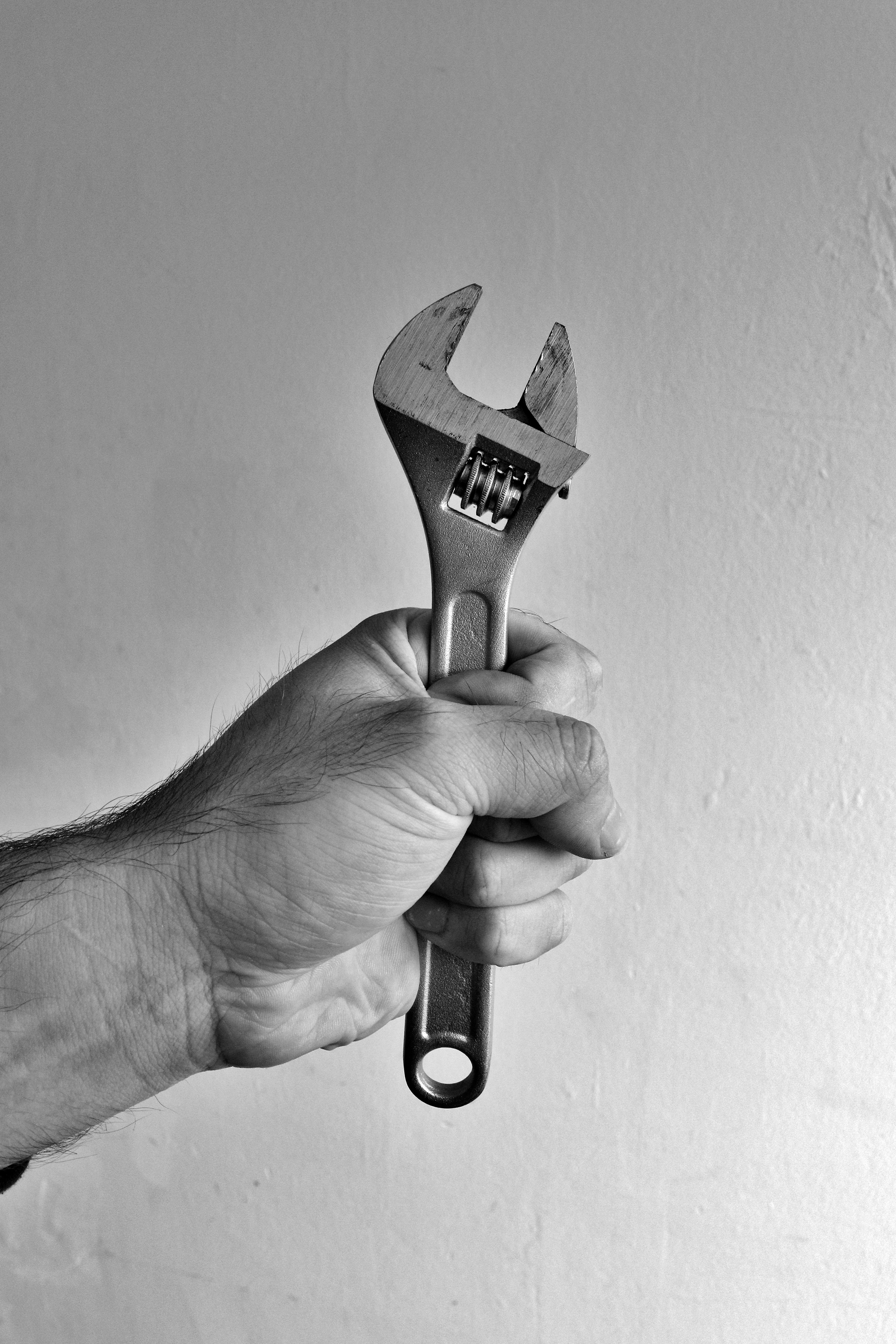
Post-Storm Plumbing Inspection for Federal Way Homes
When Pacific Northwest storms roll through Federal Way, they leave behind more than just puddles and fallen branches. The combination of heavy rainfall, occasional freezing temperatures, and strong winds can wreak havoc on your home’s plumbing system in ways you might not immediately notice. From our region’s wet October-through-March season to the freeze-thaw cycles that impact older homes built during Federal Way’s suburban boom, storm-related plumbing issues are a reality every homeowner should prepare for.
Whether your home features the original galvanized pipes from the 1960s construction era or newer PEX systems, a thorough post-storm inspection can save you from costly water damage and emergency repairs down the road. Here’s your comprehensive guide to checking your plumbing after severe weather hits our community.
Start with the Visible: Exterior Plumbing Assessment
Your post-storm inspection should begin outside, where storm damage is often most apparent. Federal Way’s mature neighborhoods mean plenty of large trees that can fall on exposed pipes, and our clay-heavy soil can shift during heavy rains, affecting underground connections.
Walk around your property and look for these critical signs:
- Inspect exposed pipes on exterior walls for cracks, loose fittings, or disconnected sections
- Check your water meter area for unusual wetness or standing water that wasn’t there before
- Examine any visible sewer cleanouts for signs of backup or unusual odors
- Look for new soft spots in your yard that could indicate underground pipe damage
- Assess your gutters and downspouts to ensure they’re directing water away from your foundation
Pay special attention to areas where pipes enter your home. Federal Way’s older homes often have crawl space access points where pipes are particularly vulnerable to storm damage and freezing. If you notice any obvious damage like broken pipes or significant leaks, turn off your main water supply immediately and contact a professional plumber in Federal Way.
Interior Signs: What to Check Inside Your Home
Once you’ve completed your exterior assessment, move indoors to check for less obvious storm-related damage. Many Federal Way homes have basements or crawl spaces where problems can develop unseen, especially after our region’s heavy winter storms.
Start your interior inspection systematically:
- Test water pressure at multiple fixtures including faucets, showers, and outdoor spigots
- Run water at each sink and listen for unusual gurgling or backing up sounds
- Check under all sinks for new moisture, drips, or water stains
- Inspect your basement or crawl space with a flashlight for signs of water intrusion
- Look for water discoloration when you first turn on taps, which could indicate pipe damage
Don’t forget to check your toilets by flushing each one and ensuring they refill properly. Storm-related ground shifting can affect sewer lines, leading to slow drains or incomplete flushes. If you’re comfortable accessing your crawl space, look for any pipes that may have shifted or developed new stress points, but leave any repairs to a qualified plumber federal way residents trust.
Water Heater and Major Appliances: Storm Impact Assessment
Your water heater and plumbing-connected appliances face unique risks during storms, particularly in Federal Way’s climate where power outages and temperature fluctuations are common. These systems often show delayed reactions to storm damage, making them critical components of your post-storm inspection.
Focus on these key areas:
- Check your water heater’s temperature and pressure relief valve for any leaks or unusual discharge
- Inspect the area around your water heater for new water stains or pooling
- Test your washing machine connections by running a small load and checking for leaks
- Examine your dishwasher’s connections and run a cycle to ensure proper drainage
- Look at your refrigerator’s water line if it has an ice maker or water dispenser
If your power went out during the storm, your water heater may need to be relit or reset. This is typically a safe DIY task for gas water heaters if you follow the manufacturer’s instructions, but if you smell gas or feel uncertain about the process, it’s better to call a professional. Remember that Federal Way’s earthquake risk means gas connections should always be handled with extra caution.
Foundation and Sewer Line Concerns
Federal Way’s heavy rainfall and clay soil conditions create the perfect storm for foundation and sewer line issues. When soil becomes saturated and then shifts, it can cause pipes to misalign or crack, leading to serious problems that may not become apparent immediately after a storm.
Watch for these warning signs:
- Monitor your basement or crawl space for new dampness or standing water
- Notice any new cracks in your foundation walls, especially near plumbing entry points
- Pay attention to slow drains throughout your home, which could indicate sewer line issues
- Check for sewer odors in your basement, yard, or near bathroom fixtures
- Look for unusually lush grass patches in your yard, which might indicate underground leaks
Ground settling is particularly common in our area’s older neighborhoods where homes were built during rapid development periods. If you notice multiple drains backing up simultaneously or detect sewer odors, avoid using chemical drain cleaners and contact a plumber in Federal way who can properly assess potential sewer line damage.
When to Call a Professional vs. DIY Solutions
While homeowners can safely perform basic inspections and minor fixes, knowing when to call a professional plumber federal way homeowners rely on can prevent minor issues from becoming major disasters. Some tasks are definitely DIY-friendly, while others require professional expertise.
Safe DIY tasks include:
- Tightening loose pipe fittings under sinks with appropriate wrenches
- Replacing damaged caulking around tubs and shower areas
- Cleaning out debris from accessible drain traps and P-traps
Always call a professional for:
- Any gas line concerns or suspected gas leaks
- Major pipe repairs or replacement work
- Sewer line issues or persistent drainage problems
- Water heater repairs beyond basic maintenance
- Electrical connections related to plumbing fixtures
Remember that Federal Way’s mix of older galvanized pipes and newer systems often requires specialized knowledge to repair properly. What might seem like a simple fix could actually indicate a larger systemic issue that needs professional assessment.
Protecting Your Investment
A thorough post-storm plumbing inspection isn’t just about finding immediate problems—it’s about protecting your Federal Way home’s long-term value and preventing costly water damage. Our region’s unique combination of wet winters, aging infrastructure, and seismic activity makes regular post-storm assessments particularly important.
Document any issues you find with photos and notes, as this information can be valuable for insurance claims and future reference. Keep in mind that some storm damage may not become apparent for days or even weeks after severe weather, so remain vigilant for changes in your plumbing performance.
Taking the time to properly inspect your plumbing after storms demonstrates the kind of proactive home maintenance that keeps Federal Way properties in excellent condition. When in doubt about any plumbing concerns, especially those involving safety or major systems, professional assessment is always the wisest choice.
Need professional help with your post-storm plumbing inspection or repairs? Call The Federal Way Plumber at (253) 600-3685 for expert service you can trust.
Need Professional Help?
If you're experiencing plumbing issues in Federal Way, our licensed plumbers are ready to help.
Call Now: (253) 600-368524/7 Emergency Service Available